CurationMar 26, 2024 · 18 min
Data Structures and Algorithms - A Summary of The Most Used Ones
Practical overview of the data structures and algorithms you use most in JavaScript/Node.js — with examples and links to go deeper.

Practical overview of the data structures and algorithms you use most in JavaScript/Node.js — with examples and links to go deeper.
Jonathan Juliani
Sr Software Engineer - Full Stack · WithClutch Inc. | Juliani Tecnologia
Picking the wrong structure for the job—array when you needed a hash table, linear search on data that was already sorted—usually becomes a slow bug that only shows up at scale. This post is the map: fifteen structures and algorithms you will see most often in JavaScript/Node.js, with criteria for when to use each and a link to the implementation episode.
What you'll learn:
Prerequisites: comfortable with basic programming — variables, functions, and arrays. No prior data structures course required.
How this list was built: structures that show up in interviews, production Node.js code, and the rest of this series — with a minimal example and a link to go deeper. Not an academic catalogue.
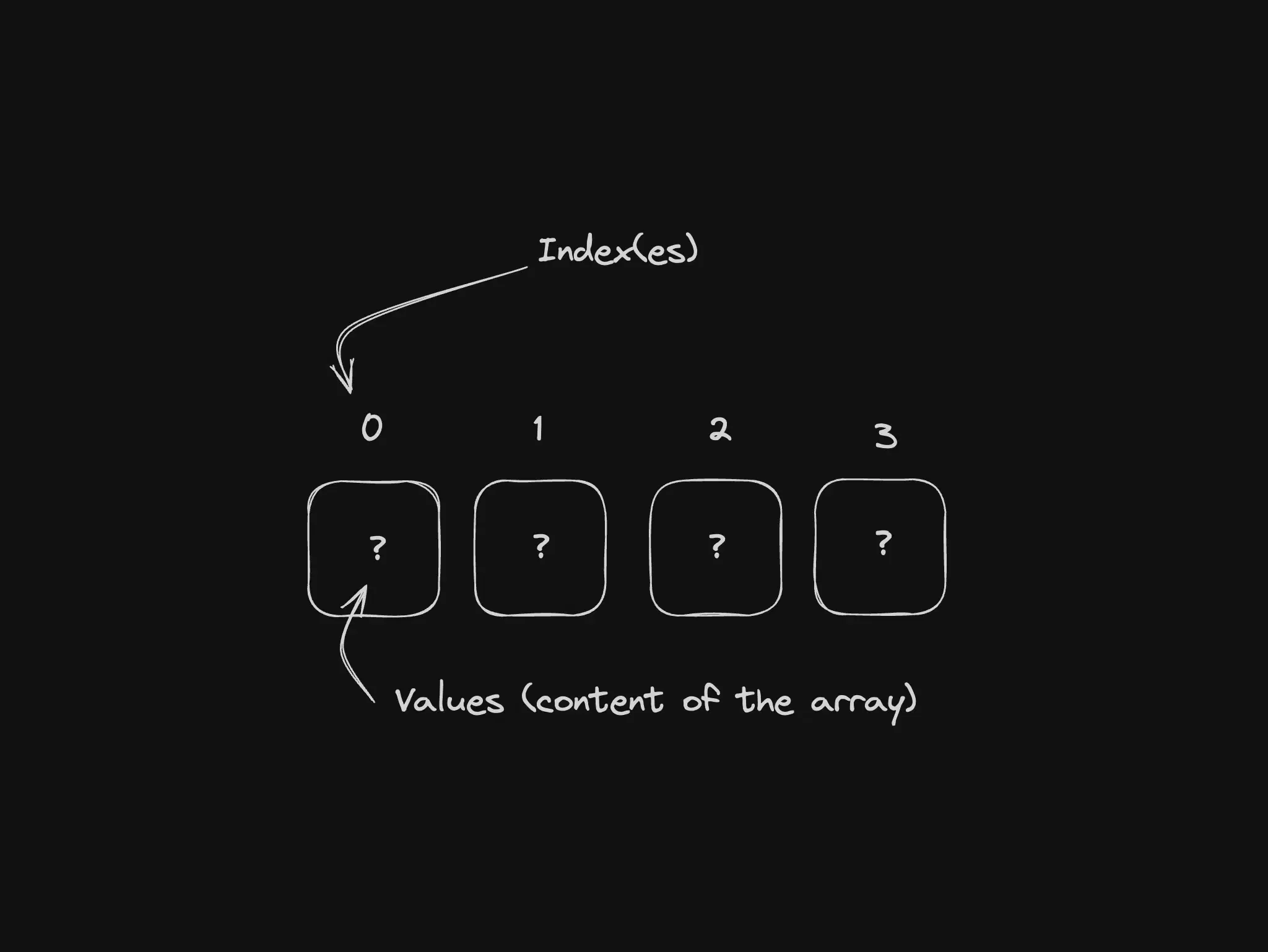
Arrays store elements in sequence and give you fast access by index. To-do lists, shopping carts, and API result lists are arrays in practice—even when the UI does not say “array.”
Best for: index access, sequential iteration, in-memory lists where you are not constantly inserting in the middle.
When not to use: frequent insertions or removals in the middle of very large collections — a linked list often wins.
Go deeper: Implementing Arrays with Node.js and JavaScript
Each node holds data and a pointer to the next node. Doubly linked lists also point backward, which makes undo-style navigation easier. Browser history is the classic mental model: each page is a node, and you move forward and back along the chain.
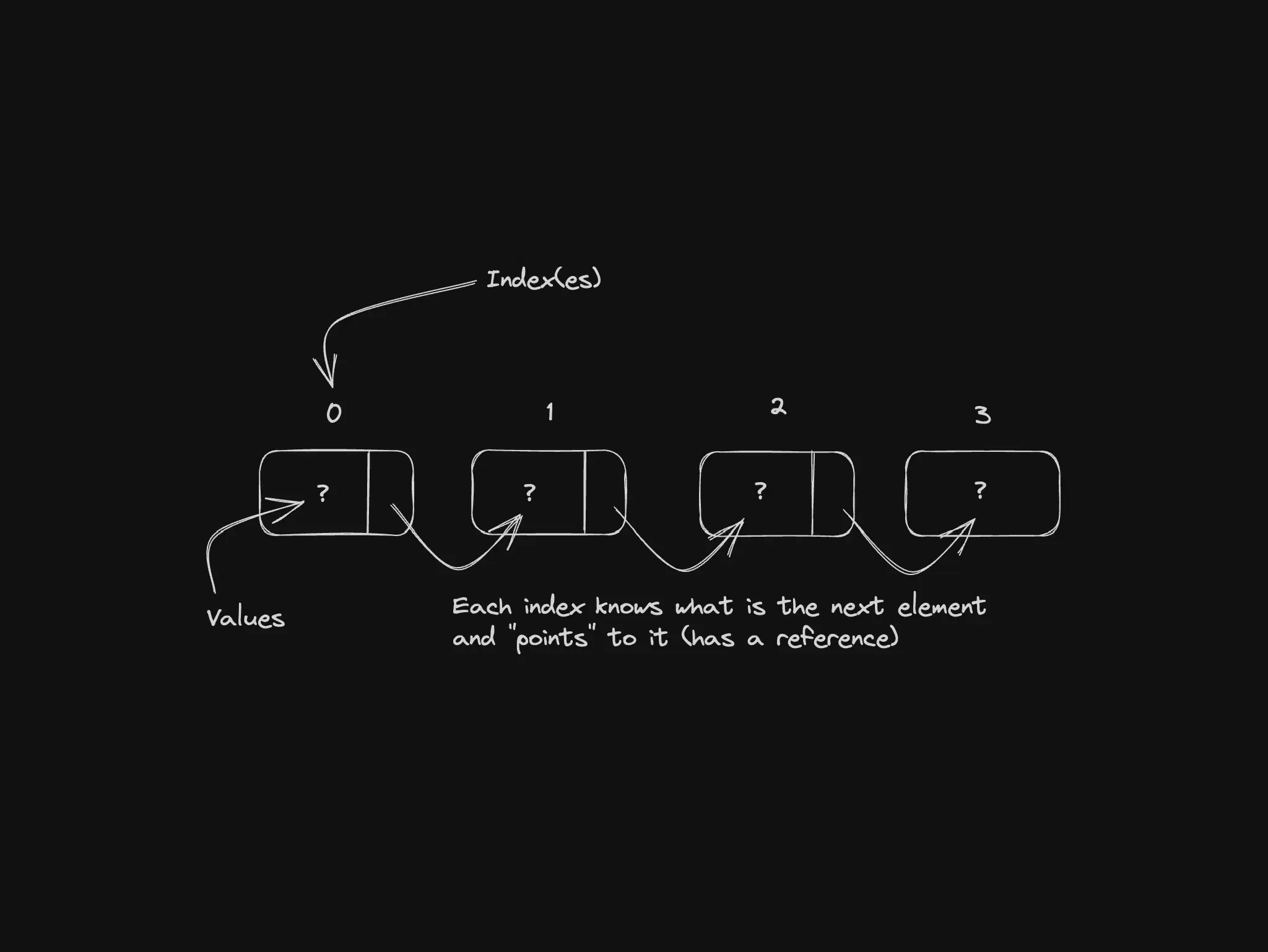
Doubly linked list:
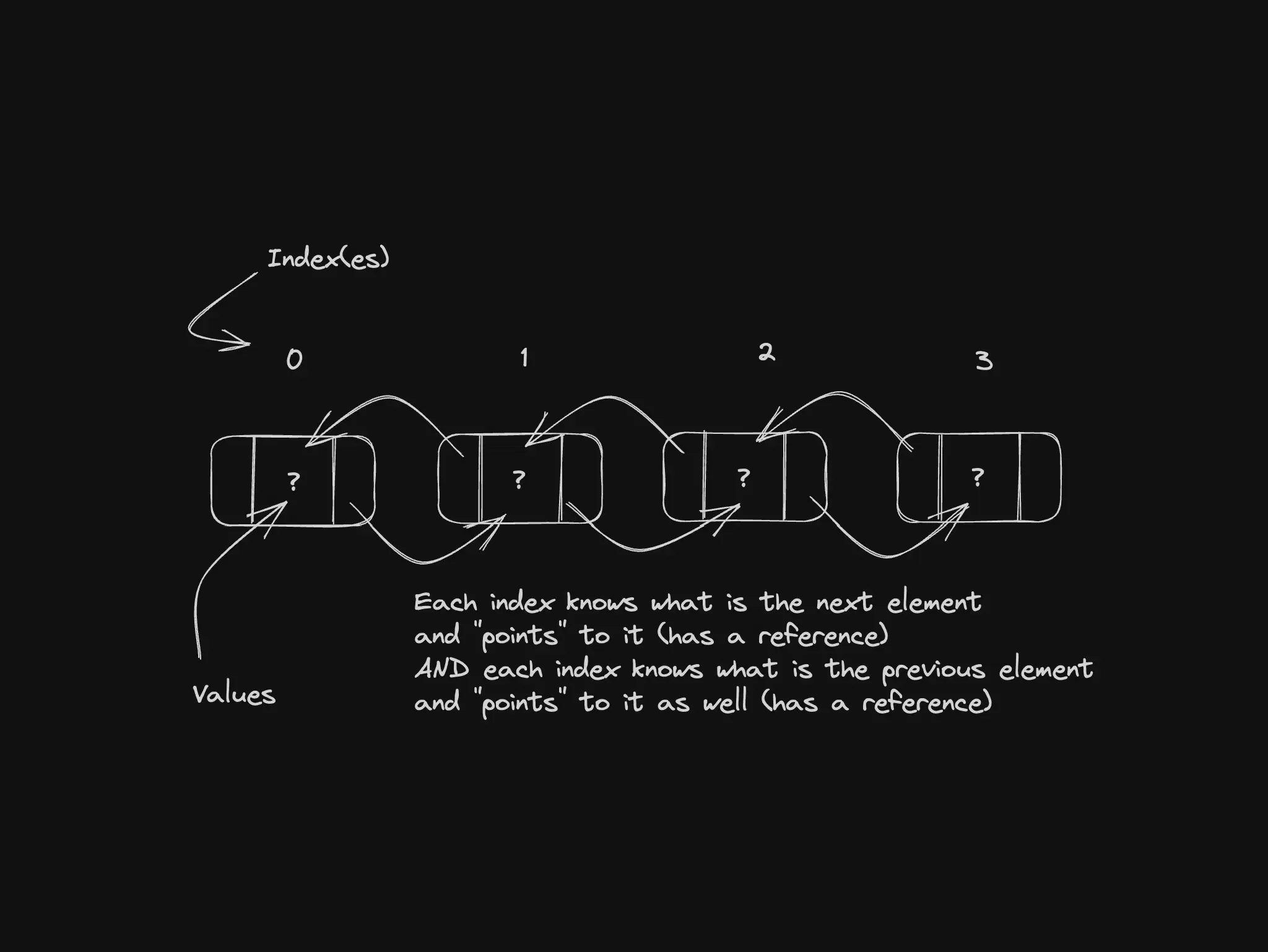
Best for: browser history, edit stacks, insert/remove in the middle without shifting the entire array.
When not to use: when you need O(1) random access by index — arrays win.
Go deeper: Implementing Linked Lists
Stacks follow last-in, first-out (LIFO). The most recent item is the first one you pop—like a stack of plates or an undo stack.
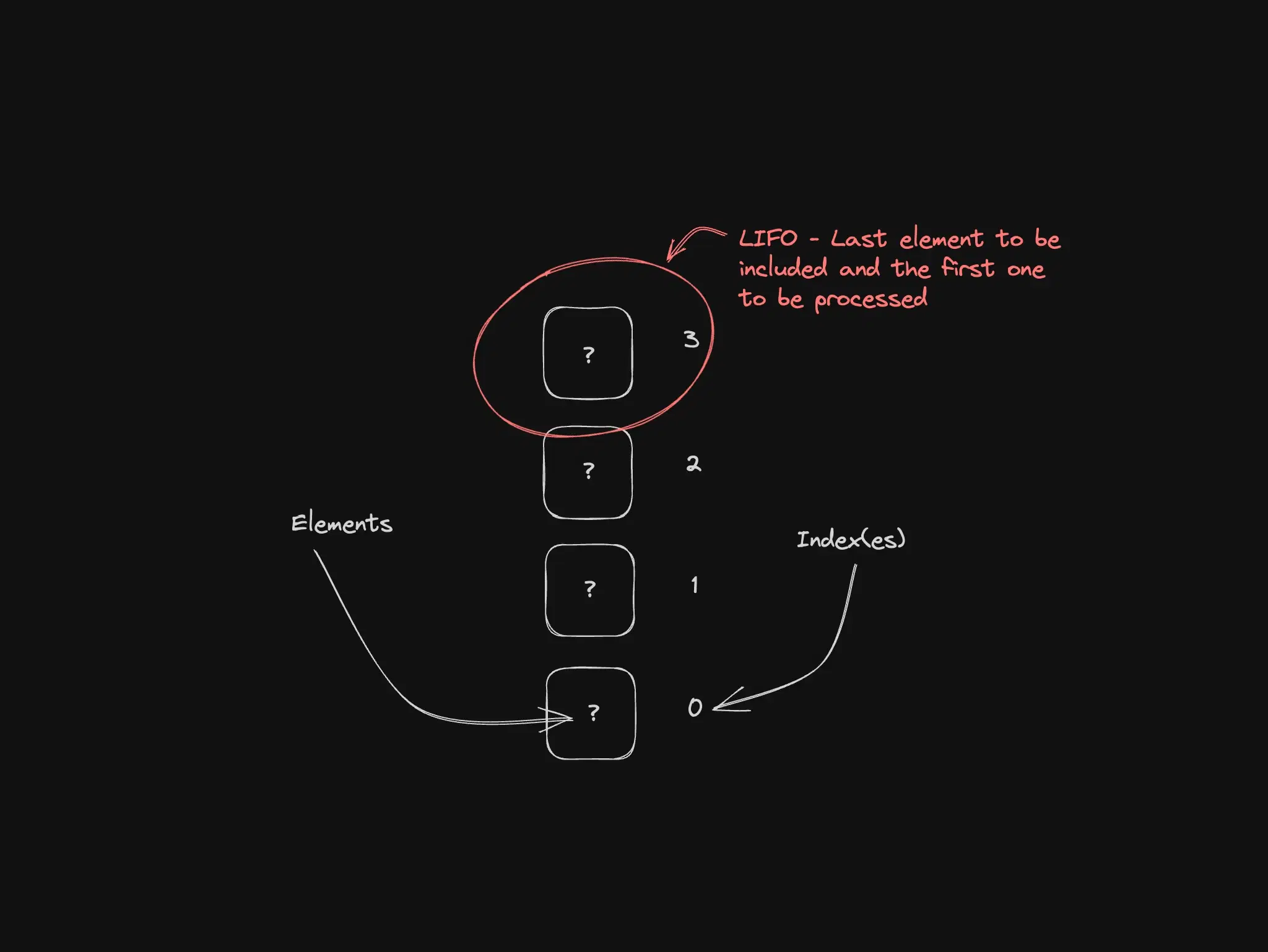
Best for: undo/redo, the call stack, DFS, any flow where the last item in must be the first out.
When not to use: when arrival order matters more than reverse order — use a queue.
Go deeper: Implementing Stacks
Queues follow first-in, first-out (FIFO). Job runners, BFS, and checkout pipelines all depend on “who got here first gets served first.”
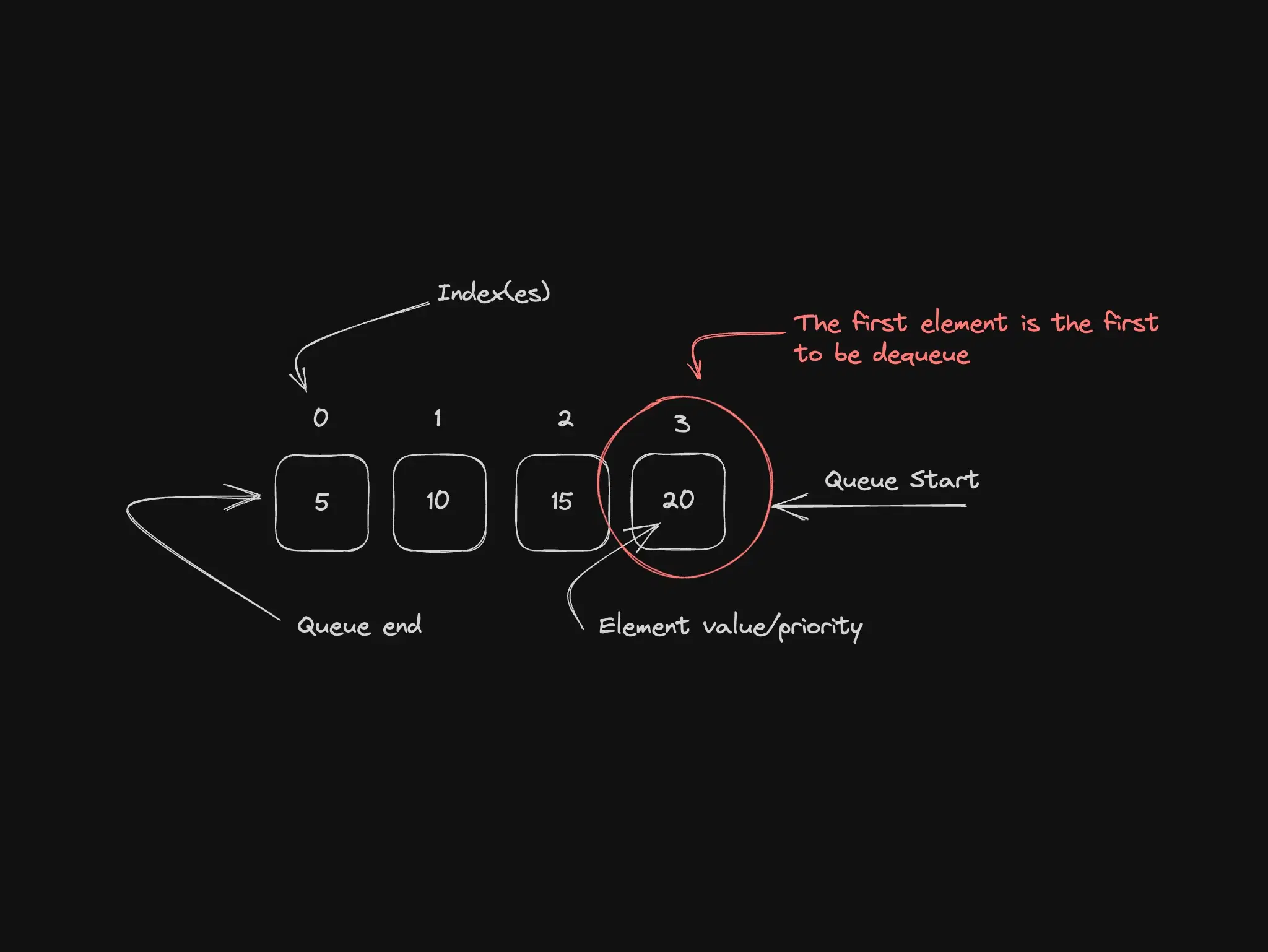
Best for: job queues, BFS, processing in arrival order.
When not to use: when only the latest item matters — a stack is simpler.
Go deeper: Implementing Queues
Each node can have children. Folders on disk, the DOM, and org charts are trees even when the UI hides the code.
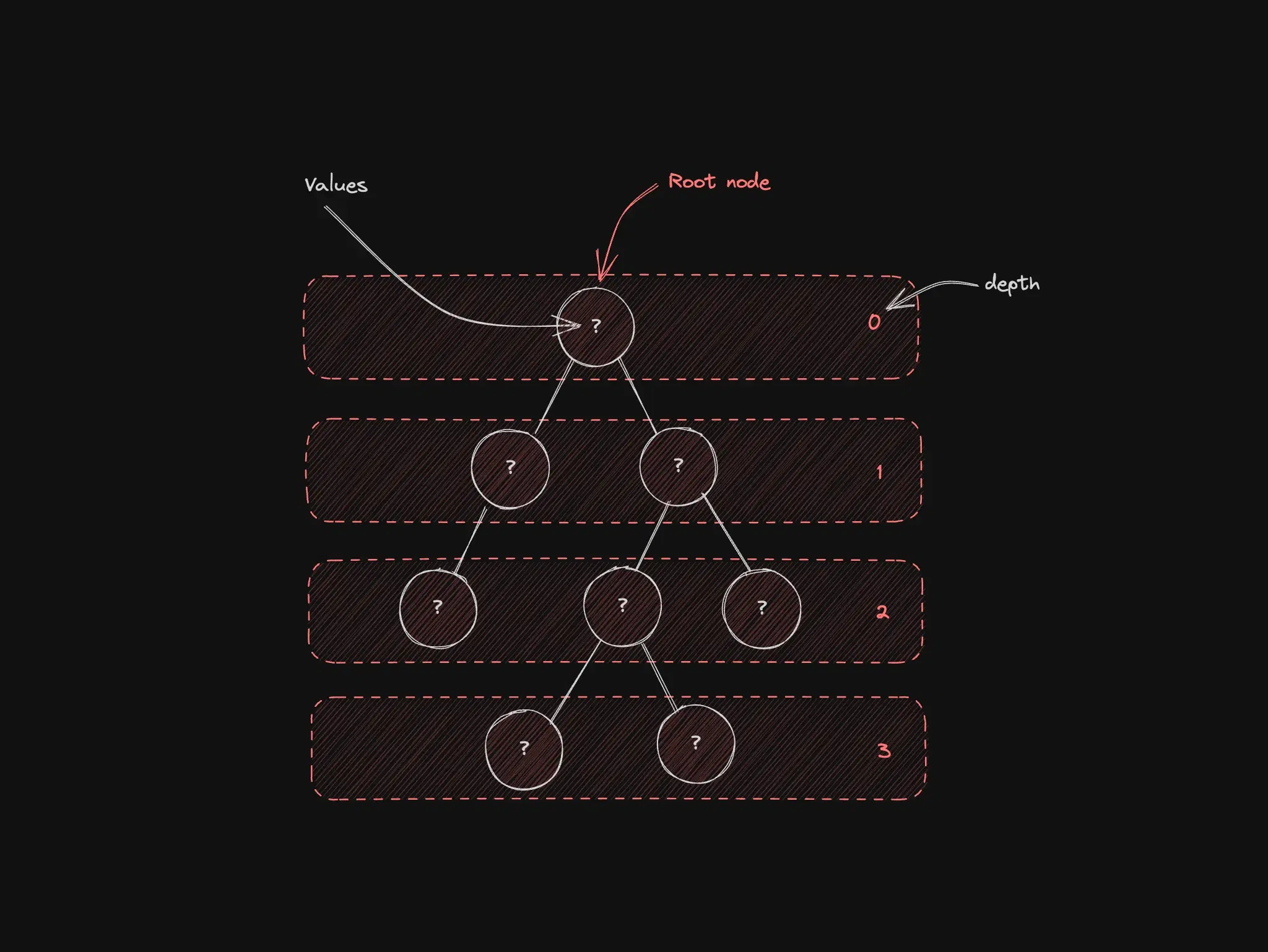
Best for: DOM, directories, taxonomies, any parent/child relationship.
When not to use: when relationships are not hierarchical (A connects to B without a single parent) — that is a graph.
Go deeper: Implementing Trees
Nodes connect flexibly—no single parent rule like a tree. Navigation apps explore many paths between A and B; social graphs model “who knows whom.”
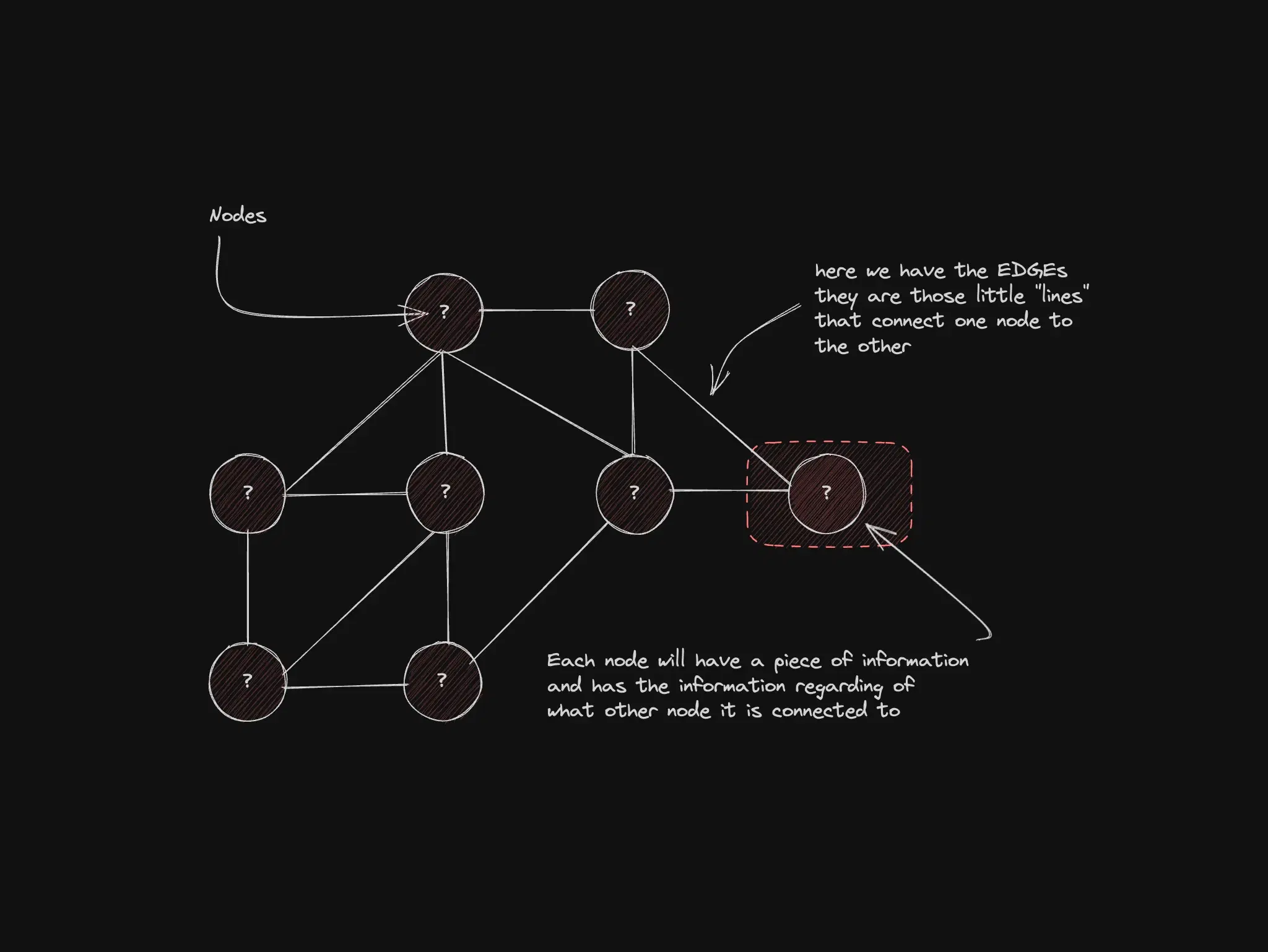
Best for: social networks, maps, service dependencies, any “who connects to whom” model.
When not to use: simple linear or hierarchical problems — trees or arrays are easier to maintain.
Go deeper: Implementing Graphs
Key-value storage with a hash function mapping keys to array indices. Collisions are the interesting part; average-case lookup stays O(1). Word-frequency counting in a document is a textbook use case.
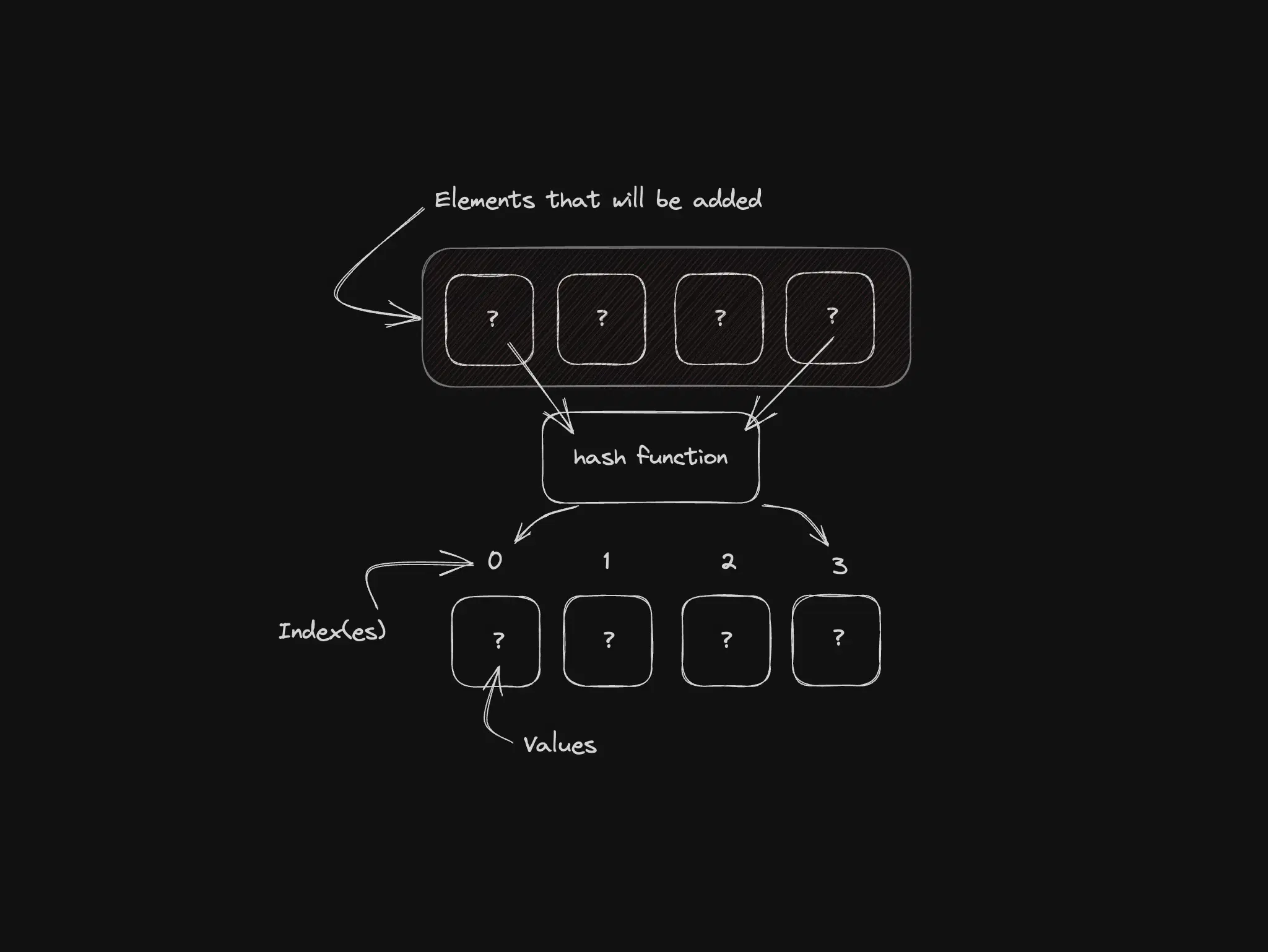
Best for: caches, frequency counts, average O(1) lookup by key.
When not to use: when you need ordered keys — a BST or sorted array fits better.
Go deeper: Implementing Hash Tables
Heaps are specialized trees for partial ordering—max-heap or min-heap—useful for priority scheduling and “show the most relevant item first” (recommendations, task runners).
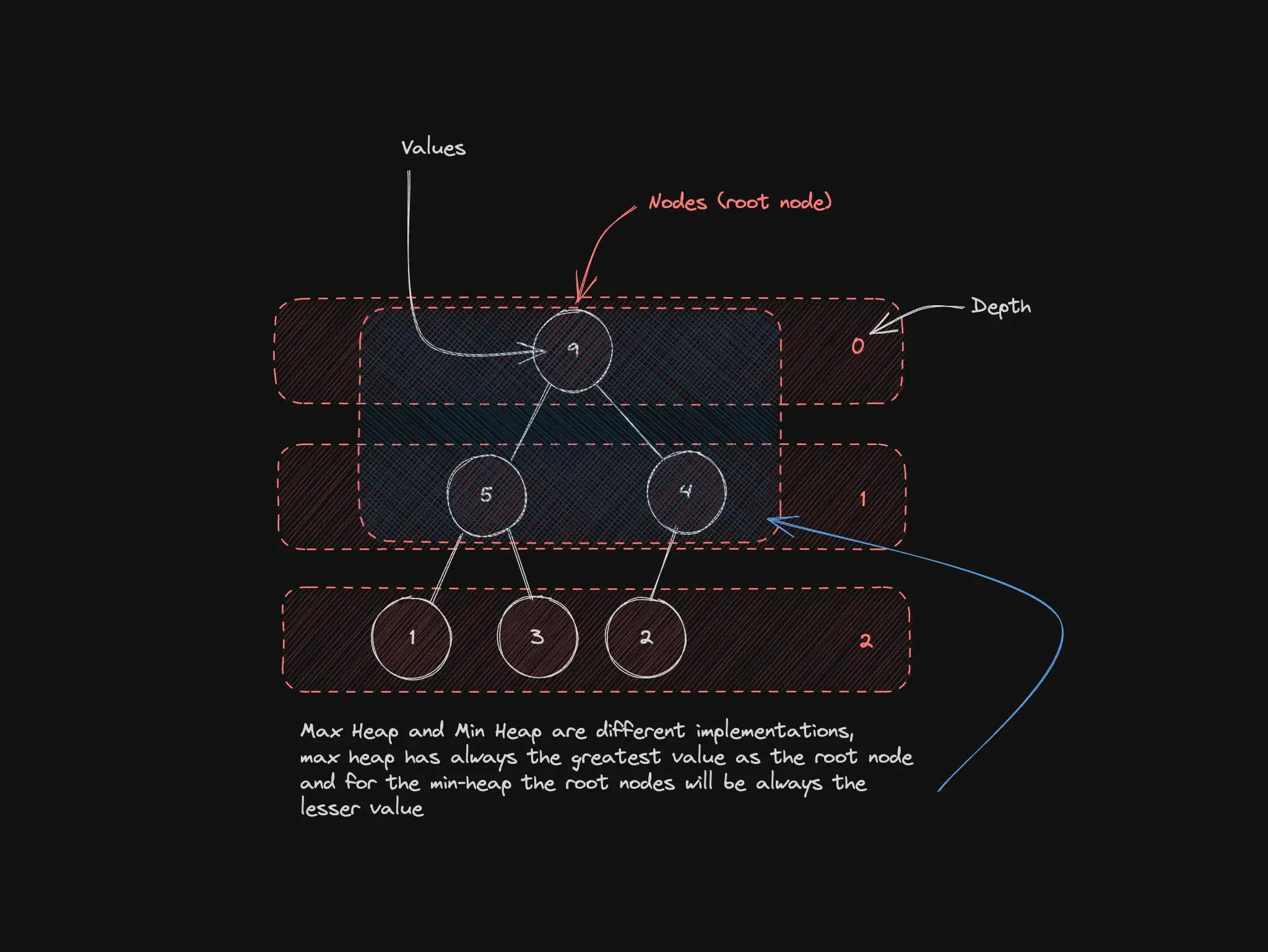
Heaps underpin many priority queue implementations.
Best for: priority queues, “next most urgent item,” partial sorting.
When not to use: arbitrary lookups in the middle — hash tables or BSTs are a better fit.
Go deeper: Implementing Heaps
Items dequeue by priority, not FIFO. OS schedulers, recommendation feeds, and database query prioritization use this pattern.
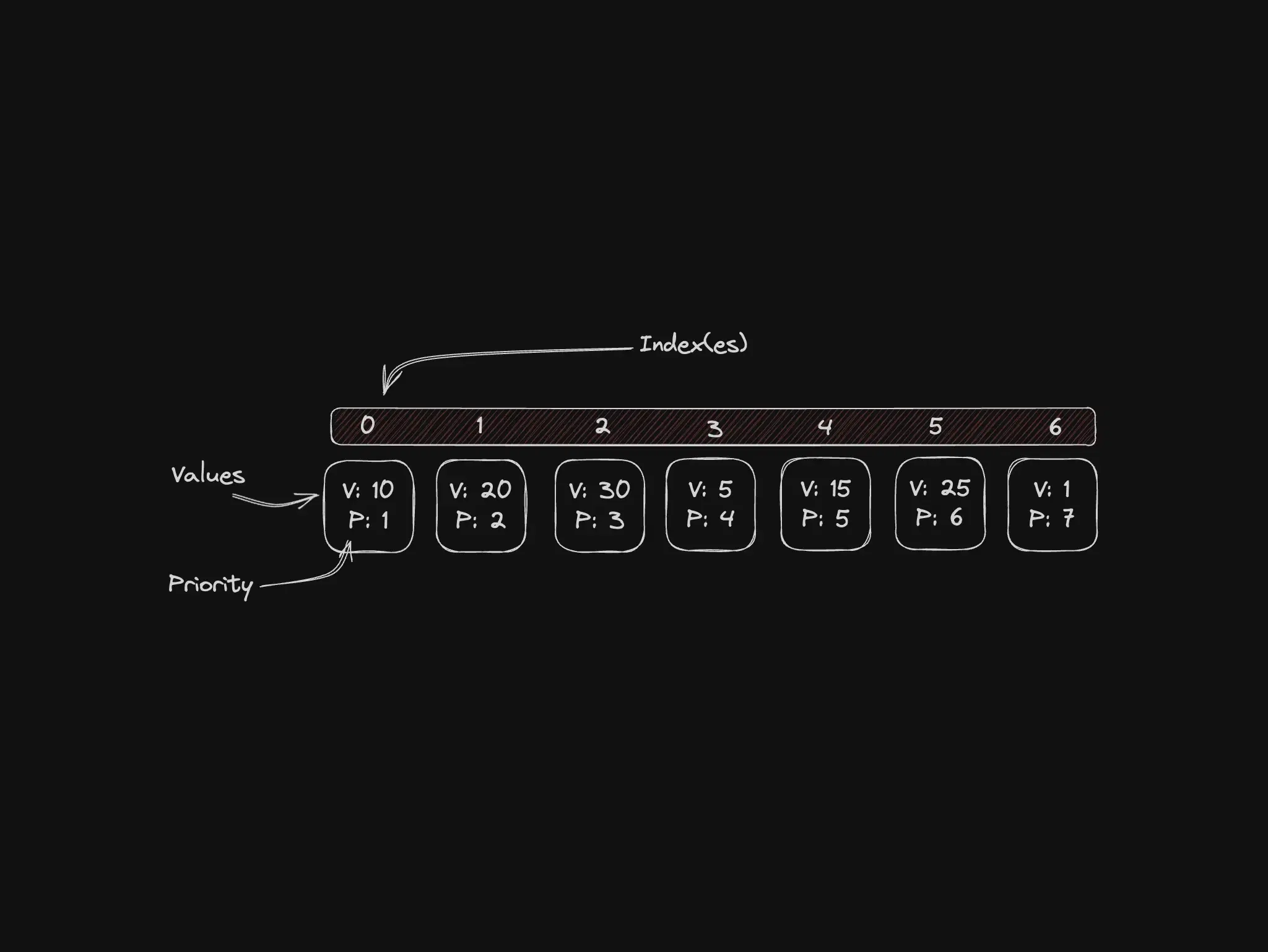
Best for: OS schedulers, critical task queues, scoring-based recommendations.
When not to use: plain FIFO is enough — a regular queue is simpler.
Go deeper: Implementing Priority Queues
Map stores key-value pairs with direct key lookup (similar spirit to hash tables, different API). Set keeps unique values—handy for deduplicating arrays or validating JSON field names.
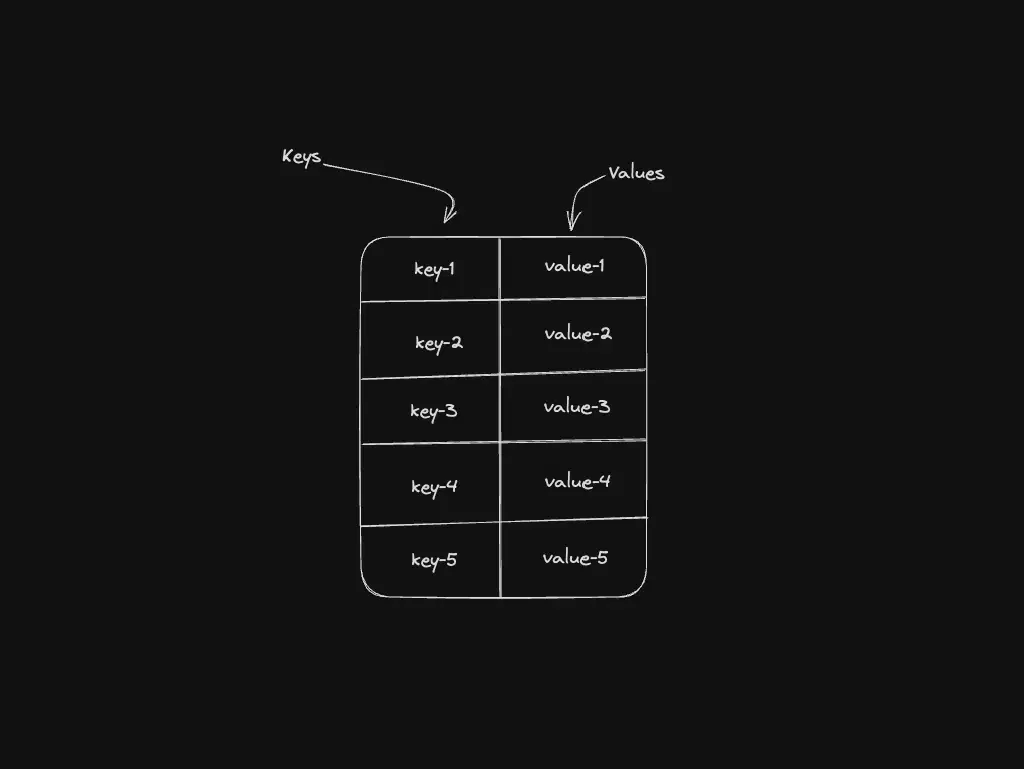
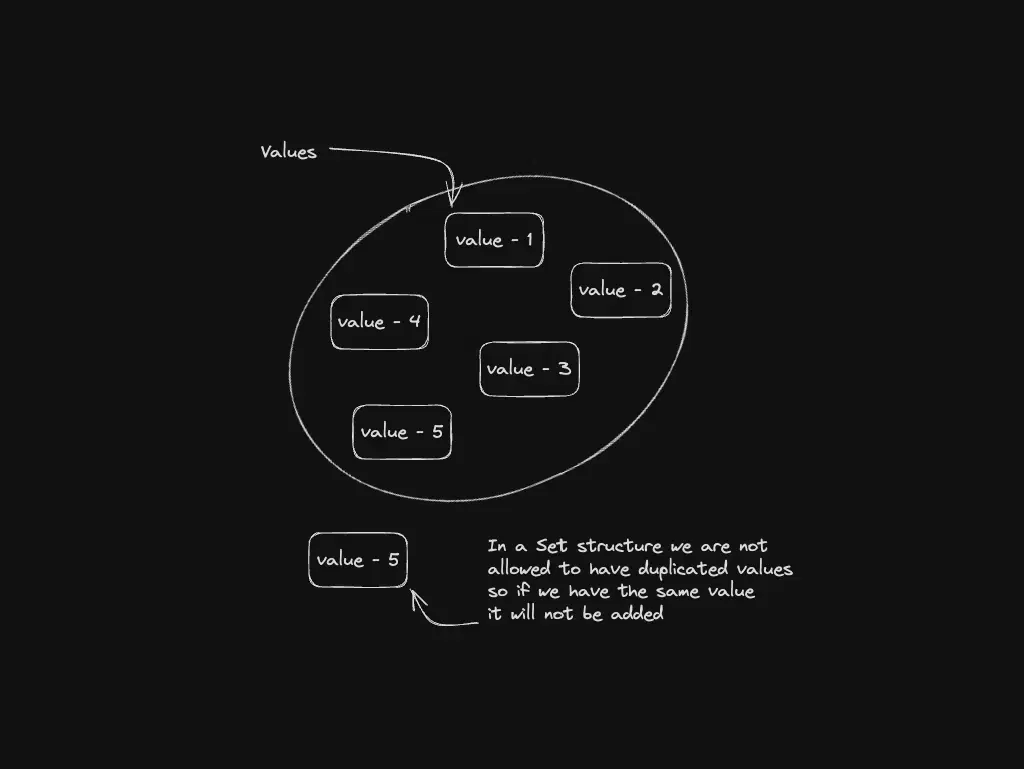
Best for: Map in caches and field mapping; Set for deduplication.
When not to use: a plain sorted array is enough — Map/Set may be overkill.
Go deeper: Implementing Maps and Sets
For each node, left subtree values are smaller and right subtree values are larger. Simple rule; production code still needs balance awareness.
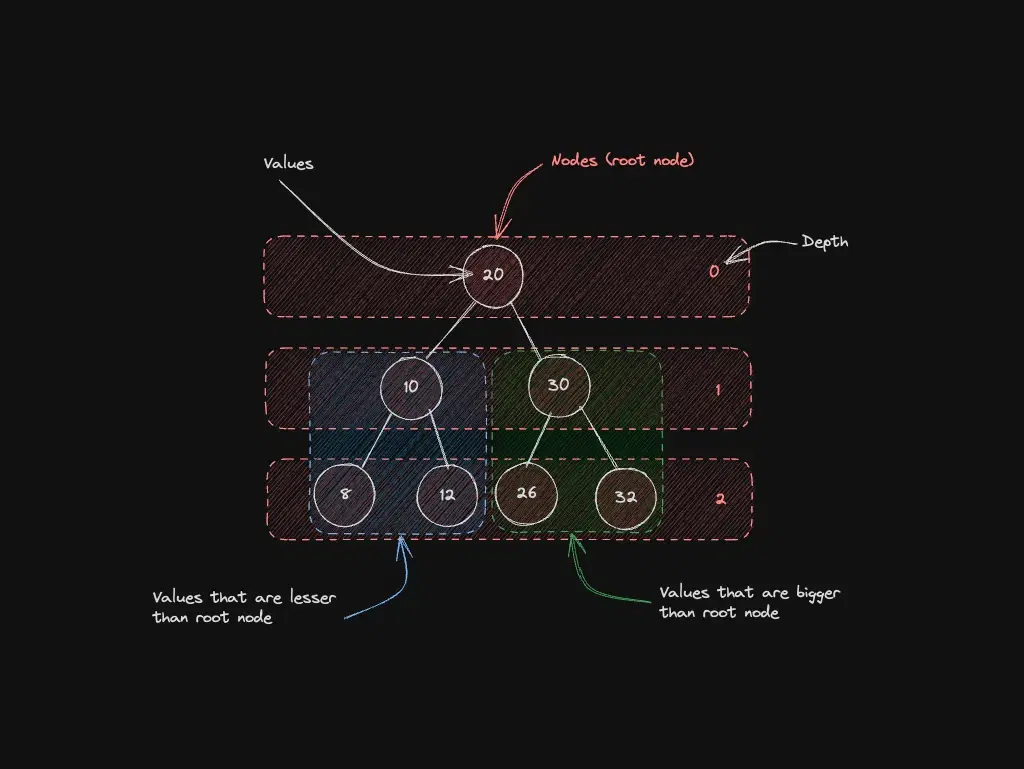
Best for: ordered sets, logarithmic search when the tree stays balanced.
When not to use: keys are hashable and order does not matter — hash tables are often more direct.
Go deeper: Implementing Binary Search Trees
Each node often represents a character; paths spell words. Type A and suggest everything that starts with that prefix.
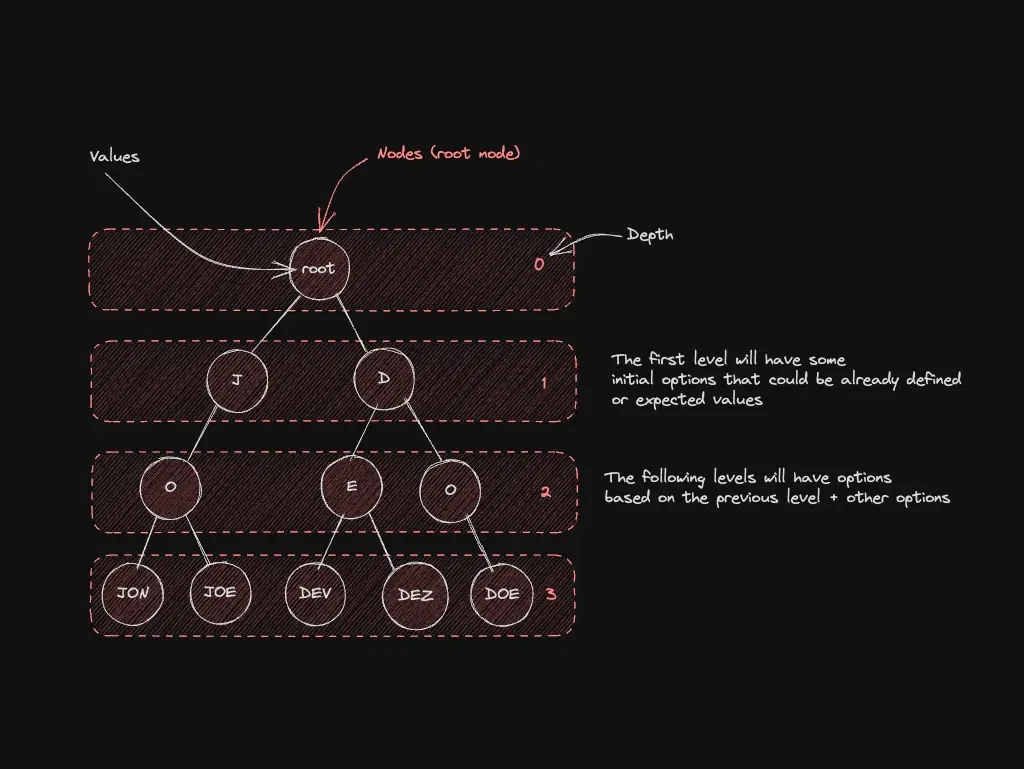
Best for: dictionaries, autocomplete, IP routing by prefix.
When not to use: few short strings — hash tables or sorted arrays are faster to ship.
Go deeper: Implementing Tries
Not a new graph type—algorithms (Dijkstra, Bellman-Ford) that walk edges to minimize cost between A and B.
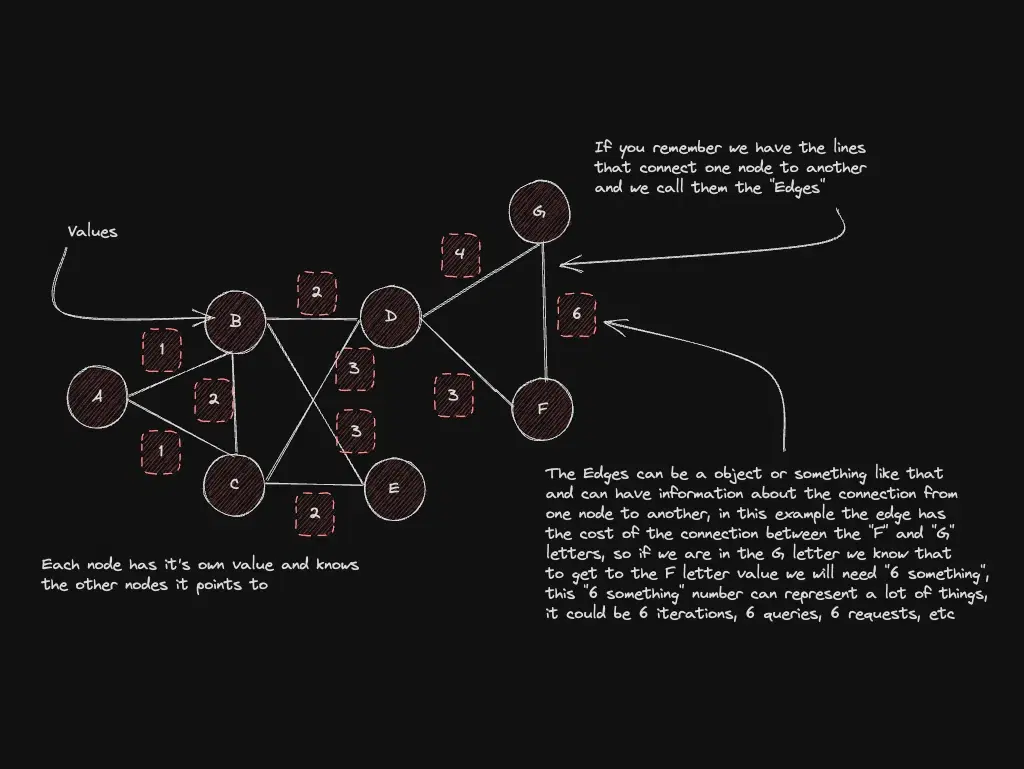
You will not implement this daily unless you work on routing, logistics, or networks.
Best for: navigation, logistics, weighted networks.
When not to use: small graphs or uniform edge cost — BFS is sometimes enough.
Go deeper: Graph algorithms (shortest path)
BubbleSort swaps adjacent pairs until sorted. QuickSort partitions around a pivot. MergeSort splits in half, sorts, merges. Engines mix strategies; .sort() in JavaScript is stable since ES10.
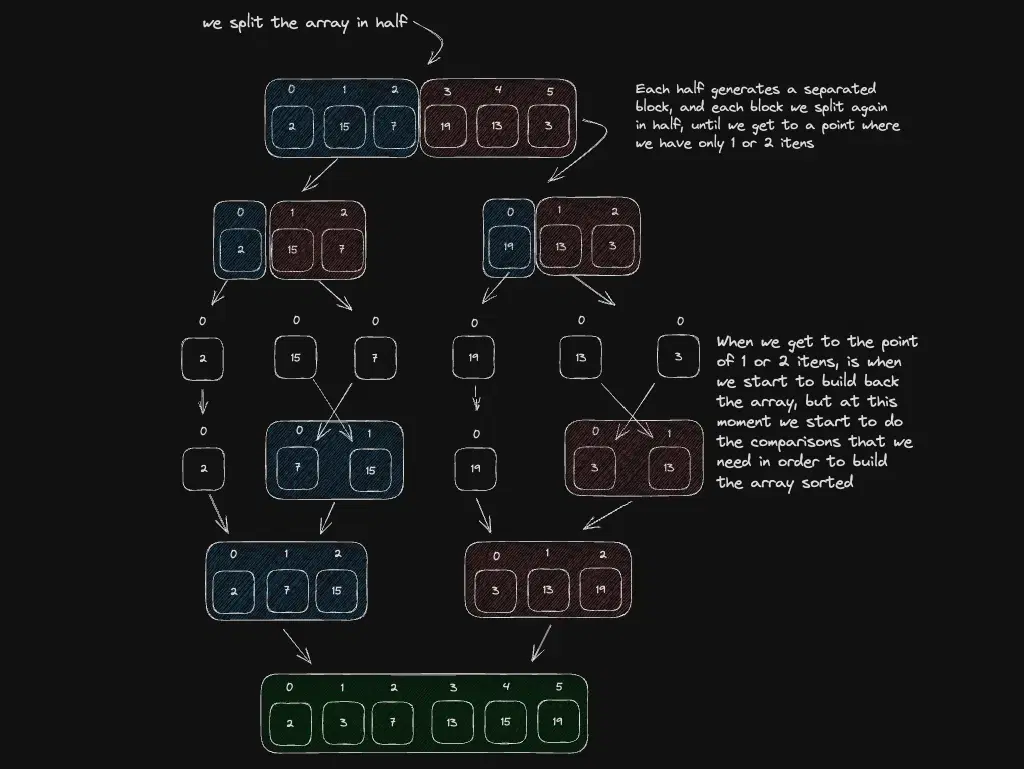
Still using
.sort()and calling it a day? For interviews and performance debugging, knowing the tradeoffs matters. In production, native sort is usually the right call.
Best for: understanding tradeoffs in interviews and before sorting millions of rows.
When not to use: hand-rolling sort in product code — use the built-in unless you have a very specific requirement.
Go deeper: Sorting arrays
Compare with the middle element, discard half, repeat. A sorted dictionary is the classic example—you eliminate half the search space each step.
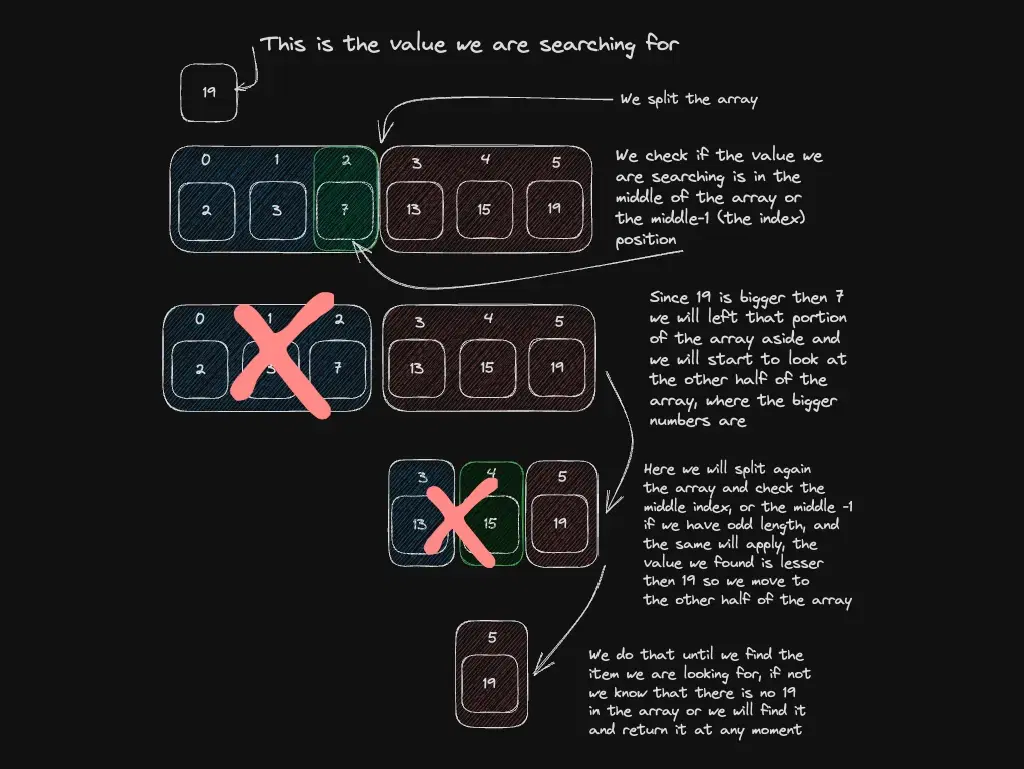
Best for: large sorted collections, in-memory lookup tables.
When not to use: unsorted or constantly mutating lists — sorting plus searching can cost more than a scan or a Map.
Go deeper: Implementing binary search
Wrong tool, wrong problem—like using a knife as a screwdriver. In production you mix structures: arrays for UI lists, Map for cache by id, queues for async jobs. This post names the tool; the series shows the code.
If something you use daily is missing, comment — it may deserve an episode or a follow-up note.
| Structure | Access | Insert | Delete | Typical use case |
|---|---|---|---|---|
| Array | O(1) | O(n) | O(n) | Index access, sequential iteration |
| Linked List | O(n) | O(1) | O(1) | Frequent insert/remove in the middle |
| Stack | O(n) | O(1) | O(1) | Undo/redo, call stack, DFS |
| Queue | O(n) | O(1) | O(1) | Job queues, BFS |
| Hash Table | O(1) avg | O(1) avg | O(1) avg | Cache, key lookup |
| Tree / BST | O(log n) | O(log n) | O(log n) | Hierarchies, ordered search |
| Graph | — | O(1) | O(1) | Social graphs, routing |
| Heap | O(n) | O(log n) | O(log n) | Priority queues |
This post is the overview — each structure has a full implementation episode. Start with what you use most:
Which structure do you reach for most at work? If something in this post is wrong or an obvious tool is missing, leave a comment and we will fix it together.
Get architecture and performance notes in your inbox. Same list as the timed prompt—subscribe here anytime.
| Trie | O(m) | O(m) | O(m) | Autocomplete, prefixes |
| Binary Search | O(log n) | — | — | Sorted collections |